


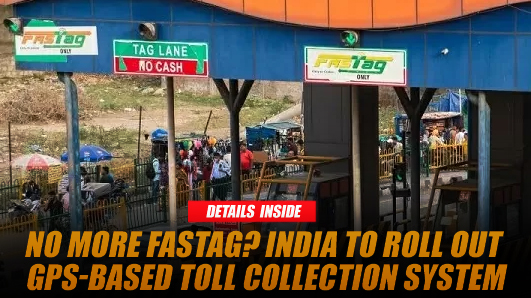
In a move set to revolutionize road travel, India will begin implementing a GPS-based toll collection system starting May 1, effectively phasing out the existing FASTag mechanism on national highways. The upcoming system, powered by the Global Navigation Satellite System (GNSS), aims to make toll payments more efficient, eliminating the need for vehicles to stop at toll plazas.
The new tolling framework was initially expected to be operational from April 1 but experienced a slight delay. Union Minister for Road Transport and Highways Nitin Gadkari confirmed the revised rollout plan, stating, “Within the next 15 days, we will unveil a new toll policy. The satellite-based toll system will ensure you don’t have to stop at toll booths anymore.”
What Is GNSS and How Will It Work?
GNSS, or Global Navigation Satellite System, is a cutting-edge tolling method that uses satellite technology to track vehicle movements and automatically deduct toll charges based on the actual distance travelled. The amount will be directly debited from the vehicle owner’s linked bank account, eliminating the need for human interaction or physical toll booths.
The system is expected to save time and fuel, reduce congestion, and increase overall road efficiency.
How Is GNSS Different from FASTag?
While FASTag significantly improved toll collection by enabling cashless transactions and reducing wait times, it still required vehicles to slow down or stop at toll gates, often causing bottlenecks during busy hours.
GNSS, on the other hand, enables virtual tolling by using satellite communication to determine a vehicle’s route and calculate toll charges accordingly. This not only removes the need for physical toll infrastructure but also ensures a smoother and uninterrupted travel experience.
Key Benefits of the GNSS System
- No More Toll Plazas: Vehicles can move freely without stopping, as tolls are collected digitally based on travel distance.
- Pay-as-you-go: Charges will be calculated precisely according to the distance covered, unlike flat rates at current toll booths.
- Time and Cost Efficiency: Reduced fuel consumption and travel time due to non-stop movement at former toll points.
- Flexible Payment Options: The new system may allow more dynamic payment models and integration with various banking platforms.


