


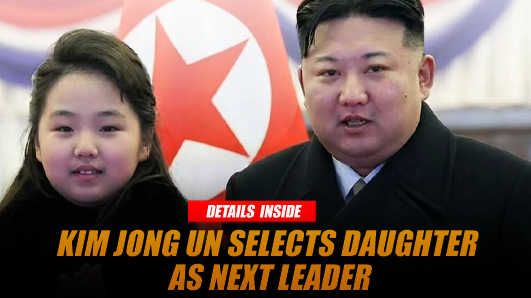
Fresh speculation has emerged from South Korea after the National Intelligence Service (NIS) reportedly suggested that Kim Ju Ae, the 13-year-old daughter of North Korean leader Kim Jong Un, may have entered what officials describe as a “successor-designate stage.”
While there has been no official confirmation from North Korea or its state media, analysts say her rapidly expanding public presence since 2022 signals a possible long-term grooming process for leadership.
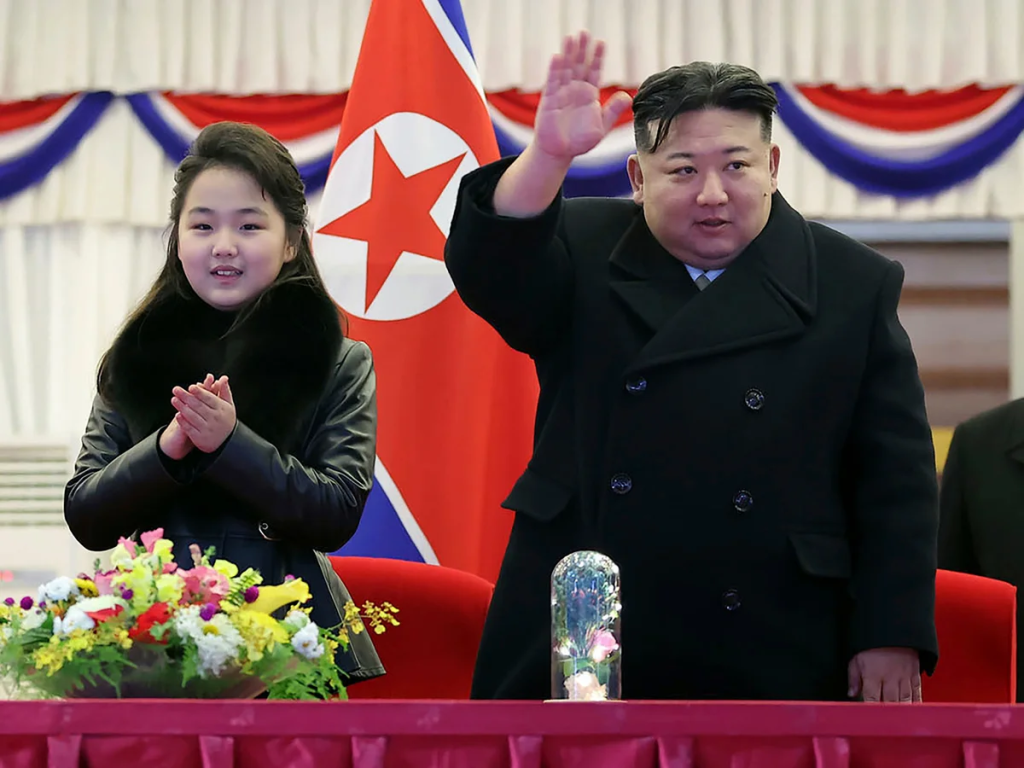
📸 From Private Life to Public Spotlight
Kim Ju Ae was first introduced to the world in late 2022 when she appeared alongside her father during an intercontinental ballistic missile (ICBM) launch event. Since then, her appearances have grown more frequent and symbolically significant.
She has been seen at:
- Major missile tests and military inspections
- Grand military parades in Pyongyang
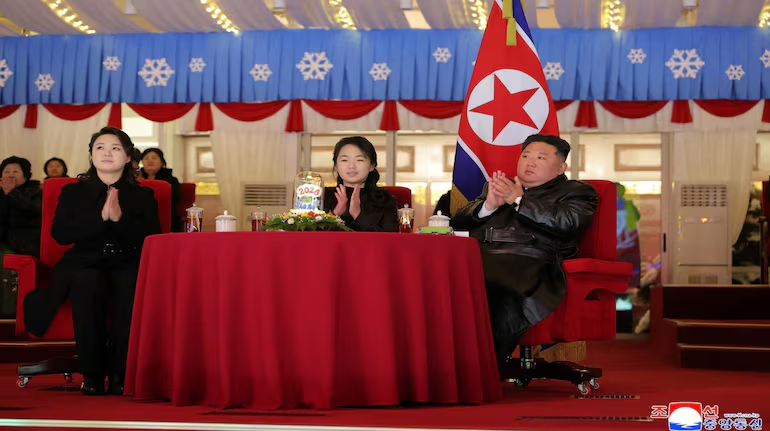
- High-profile state banquets
- Visits to the Kumsusan Palace of the Sun, the resting place of her grandfather and great-grandfather
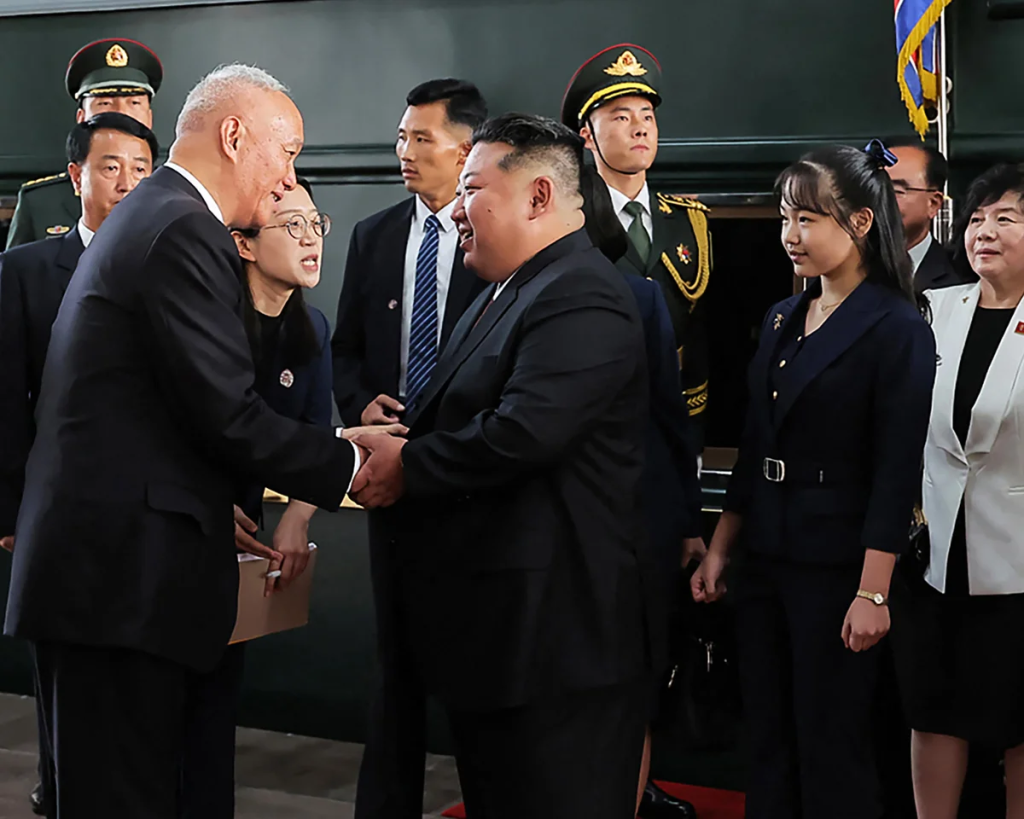
- Diplomatic engagements, including reported travel linked to Beijing
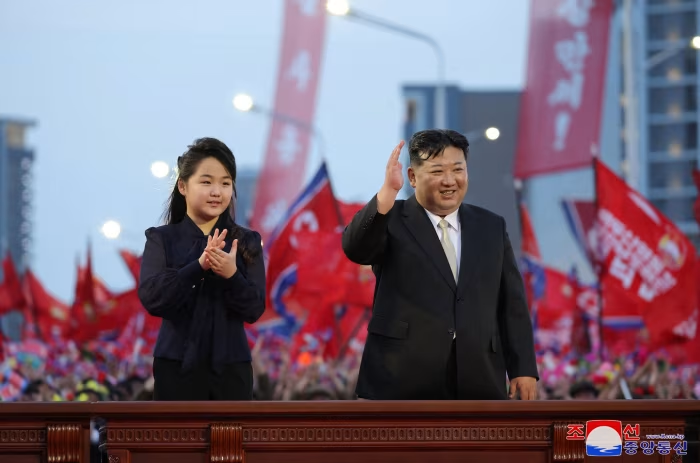
In state media coverage, she has often been positioned prominently beside Kim Jong Un — sometimes even ahead of top military officials — fueling speculation about her future role.
🏛 Breaking Patriarchal Norms?
North Korea has historically been governed by a rigid, male-dominated political structure. The country’s leadership has passed from:
- Kim Il Sung (First Generation)
- Kim Jong Il (Second Generation)
- Kim Jong Un (Third Generation)
If Kim Ju Ae were formally elevated as successor, it would mark the rise of a fourth-generation Kim dynasty — and potentially the first female leader in North Korea’s history.
Observers note that her aunt, Kim Yo Jong, has already demonstrated the significant political influence a woman can wield within the regime. However, Kim Ju Ae’s positioning appears to go even further — hinting not just at influence, but possible ultimate authority.
🎯 What Does “Successor-Designate Stage” Mean?
South Korea’s intelligence assessment reportedly indicates that Kim Ju Ae may now be transitioning from symbolic appearances to structured grooming. In authoritarian systems like North Korea’s, succession planning is rarely public until finalized, but subtle signals are often embedded in:
- Media language and titles
- Placement in official photographs
- Attendance at key political events
- Gradual exposure to policy and military matters
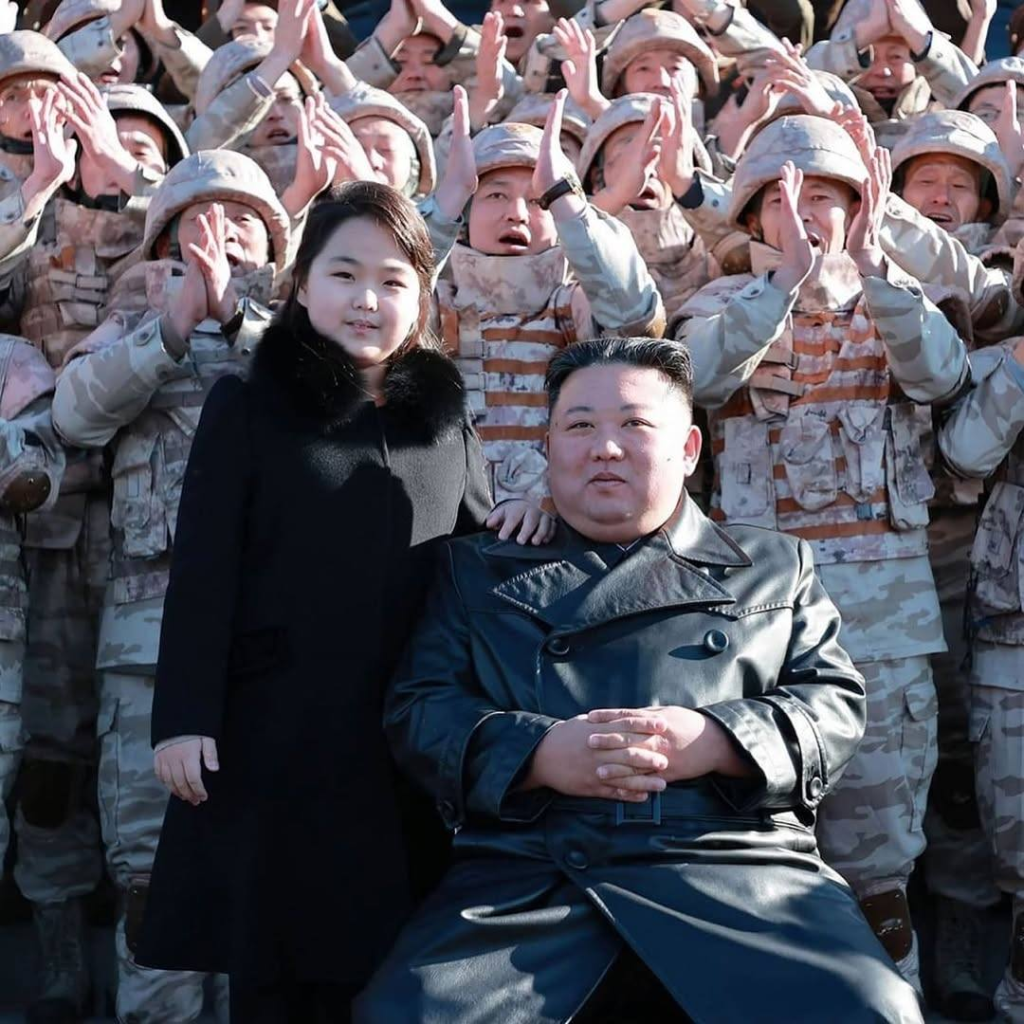
Speculation is mounting around the next Workers’ Party Congress, where observers will closely monitor whether she receives an official designation — such as First Secretary or another symbolic title.
🌍 Global Reactions and Strategic Implications
If confirmed, this development would have far-reaching implications:
- Geopolitical Strategy: A formal successor announcement would signal long-term regime continuity.
- Regional Stability: Neighboring powers, including South Korea, China, Japan, and the United States, would recalibrate their diplomatic strategies.
- Internal Politics: Elevating a teenage girl could challenge entrenched military elites and traditional norms.
However, experts caution that North Korea is also known for strategic propaganda. Elevating Kim Ju Ae publicly could serve multiple purposes — strengthening regime unity, reinforcing dynastic legitimacy, or diverting attention from internal challenges.
🧠 Possible Reality or Political Messaging?
There are two main interpretations emerging:
1️⃣ Genuine Succession Planning
Her consistent public visibility, symbolic positioning, and ceremonial prominence suggest a carefully managed grooming process.
2️⃣ Strategic Optics
Her appearances could be designed to project stability, humanize Kim Jong Un, or reinforce the image of dynastic permanence — without necessarily confirming her as the next leader.
Given North Korea’s secrecy, definitive answers may take years to emerge.
🏁 A Dynasty at a Crossroads
For now, the world watches closely. A teenage girl standing at the center of one of the world’s most secretive and tightly controlled regimes is not just a political curiosity — it represents a potential turning point in modern authoritarian governance.
Whether this is the beginning of a fourth-generation leadership transition or a calculated display of political theater remains uncertain. But one thing is clear: the Kim dynasty narrative is evolving, and global attention is firmly fixed on Pyongyang’s next move.


