


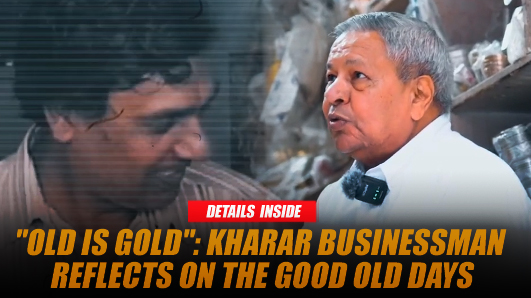
There’s an old saying, “Old is Gold,” and for good reason. The simplicity of the past, with its less materialistic and more contented way of life, stands in stark contrast to the fast-paced and often pressure-filled present. The older generation, often referred to as “Gen Gold,” lived in an era when life was less expensive and more joyful, without the weight of constant pressures. In a conversation with SirfPunjabiyat, a Kharar-based businessman took us on a journey back to the early 1900s, sharing his memories of a time when life felt more fulfilling.
The Weddings of the Past: A Festival, Not a 2-Hour Affair
The businessman began by recalling the weddings of his time, which he described as grand celebrations that felt more like festivals. “Weddings back then were huge events, filled with joy and merrymaking. People used to come together and celebrate for days. It was a social occasion where people truly connected and enjoyed each other’s company,” he said. “But now, weddings are just a rushed 2-hour affair. People come, attend the ceremony, and leave. No one seems to have the time or the desire to mingle and enjoy the occasion anymore.”
He explained how weddings in the past were not just about the couple but about the entire community, with long gatherings and shared happiness. The modern, fast-paced lifestyle, he believes, has reduced the value of these events.
Gold Prices and Generosity: A Change in Values
Reflecting on the shift in how people approach weddings, he pointed out the difference in the exchange of gold and silver between then and now. “Back in the day, gold and silver were much cheaper, and people used to give them with an open heart,” he said. “During my wedding, gold was priced at just Rs 650 per 10 grams. Now, with the price of metals skyrocketing, people are thinking of giving just 2-3 grams of gold, as if it’s a mere formality.”
This shift, he believes, also reflects a change in values, where generosity is sometimes overshadowed by financial considerations. “People were more generous and heartfelt in their gestures back then. Now, it’s all about counting grams,” he remarked.
Entertainment of the Past: Simple Joys and a Ride to the Movies
The businessman also shared fond memories of how he and others would entertain themselves in the past. “We didn’t have all the modern distractions, but we still managed to have fun. I remember riding my bicycle to Chandigarh to watch movies at the local theatres. The road to Chandigarh was so small, with little traffic, and there was no pollution. It was a peaceful ride, and the movies were our big source of entertainment,” he recalled with a sense of nostalgia.
He also spoke fondly of the scooter he bought in 1998, saying how he used it to take his wife out to the movies, enjoying simple pleasures in a world that seemed less complicated.
The Tradition of the Groom and Bride’s First Meeting: A Symbol of Simplicity
The businessman also reflected on a now-rare tradition in many weddings: the groom and bride not meeting before the marriage. “Back then, it was tradition that the groom and bride would never meet before the wedding day. The first time I saw my wife was when she entered the wedding hall, and I was so taken aback by her beauty that I insisted my mother allow me to see her again,” he said. “But my mother refused. It was a tradition that added to the excitement and mystery of the occasion.”
This tradition, according to him, symbolized the purity and simplicity of those times, when weddings were not overshadowed by expectations or prior preparations, but were about celebrating a new beginning with a sense of awe and wonder.
A Changing World: The Past vs. The Present
Through his stories, the businessman painted a picture of a simpler, more joyful era that has gradually given way to the fast-paced and often stressful world of today. While acknowledging the progress that has come with modernity, he expressed a longing for the days when life was less complicated and people were more connected to each other.


