


The Crash and Initial Findings
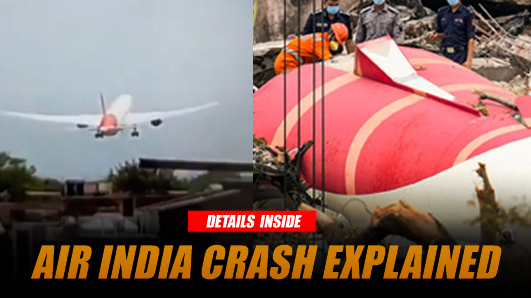
On June 12, Air India Flight 171, a Boeing 787-8 Dreamliner, took off from Ahmedabad’s Sardar Vallabhbhai Patel International Airport at 1:39 pm, en route to London Gatwick. Within just 32 seconds of takeoff, the aircraft tragically crashed into a nearby medical hostel, killing 241 of the 242 people on board and 19 others on the ground. The only survivor was a British-Indian man seated in row 11A.
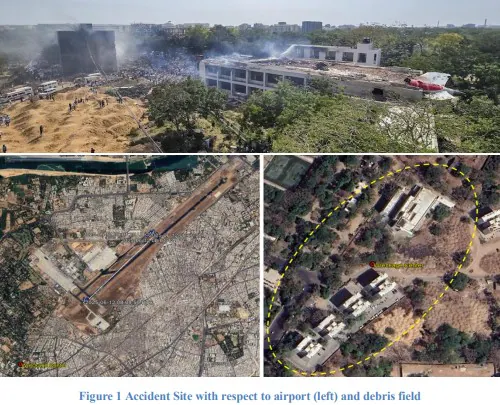
This marked the first-ever fatal crash involving a Boeing 787 since the aircraft entered commercial service in 2011. The Aircraft Accident Investigation Bureau (AAIB) released its preliminary probe report, revealing both technical and human factors that led to the disaster, and highlighting serious questions about what occurred in the cockpit during those critical moments.
Technical Data and Cockpit Exchange
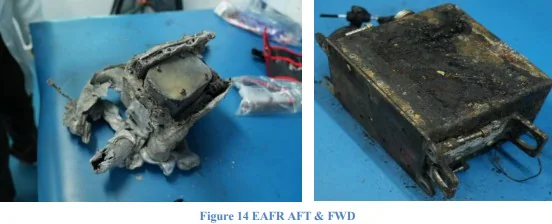
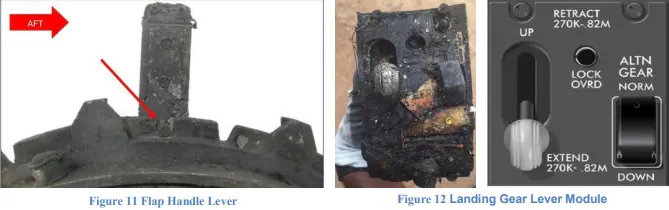
According to data recovered from the aircraft’s Enhanced Airborne Flight Recorder (EAFR), Flight 171’s takeoff was routine—normal flap settings, landing gear down, and clear weather conditions. The Dreamliner accelerated to 153 knots (283 kmph) and reached a top airspeed of 180 knots (333 kmph).
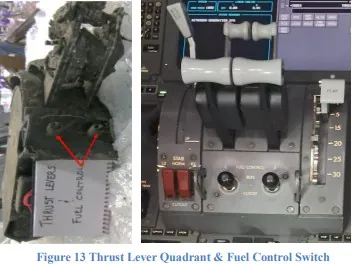
However, within seconds, the fuel control switches for both engines were moved from “RUN” to “CUTOFF” position just one second apart, instantly halting fuel flow and causing total engine failure.
The cockpit voice recorder (CVR) captured a chilling exchange: one pilot asked, “Why did you cut off?” and the other replied, “I didn’t.” Both pilots—Captain Sumeet Sabharwal and First Officer Clive Kunder—were experienced and in good health.
The AAIB, along with Boeing and GE experts, continues to investigate the source of the fuel cutoff and the possibility of a mechanical or systemic failure. A final report is awaited to determine accountability and prevent such tragedies in the future.


